If your Wi-Fi struggles to reach certain rooms, your first instinct might be to buy a mesh Wi-Fi system.
Mesh systems are widely available and promise convenient whole-home coverage.
But are they the best choice for every home?
For many properties, professionally installed hardwired wireless access points can provide a more dependable networking foundation.
At Wired Up Solutions, we help Denver homeowners evaluate both options and design networks suited to their properties.
Understanding the differences can help you make a better long-term investment.
1. Understanding the Difference
Both mesh Wi-Fi systems and hardwired wireless access points provide wireless connectivity.
The major difference is often how the devices connect back to the main network.
Wireless Mesh Systems
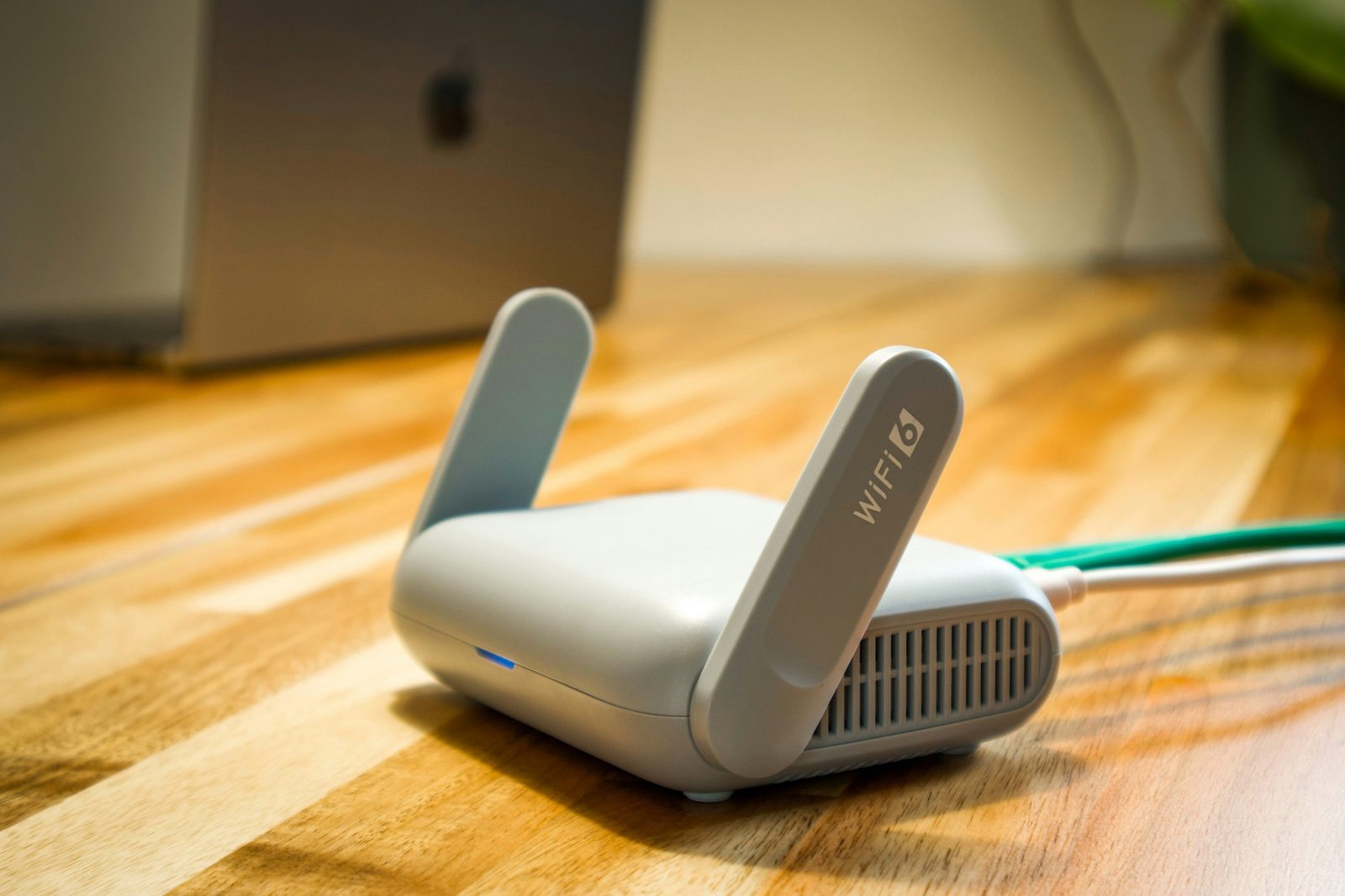
Mesh systems can use wireless connections between nodes to extend coverage throughout a property.
Hardwired Wireless Access Points
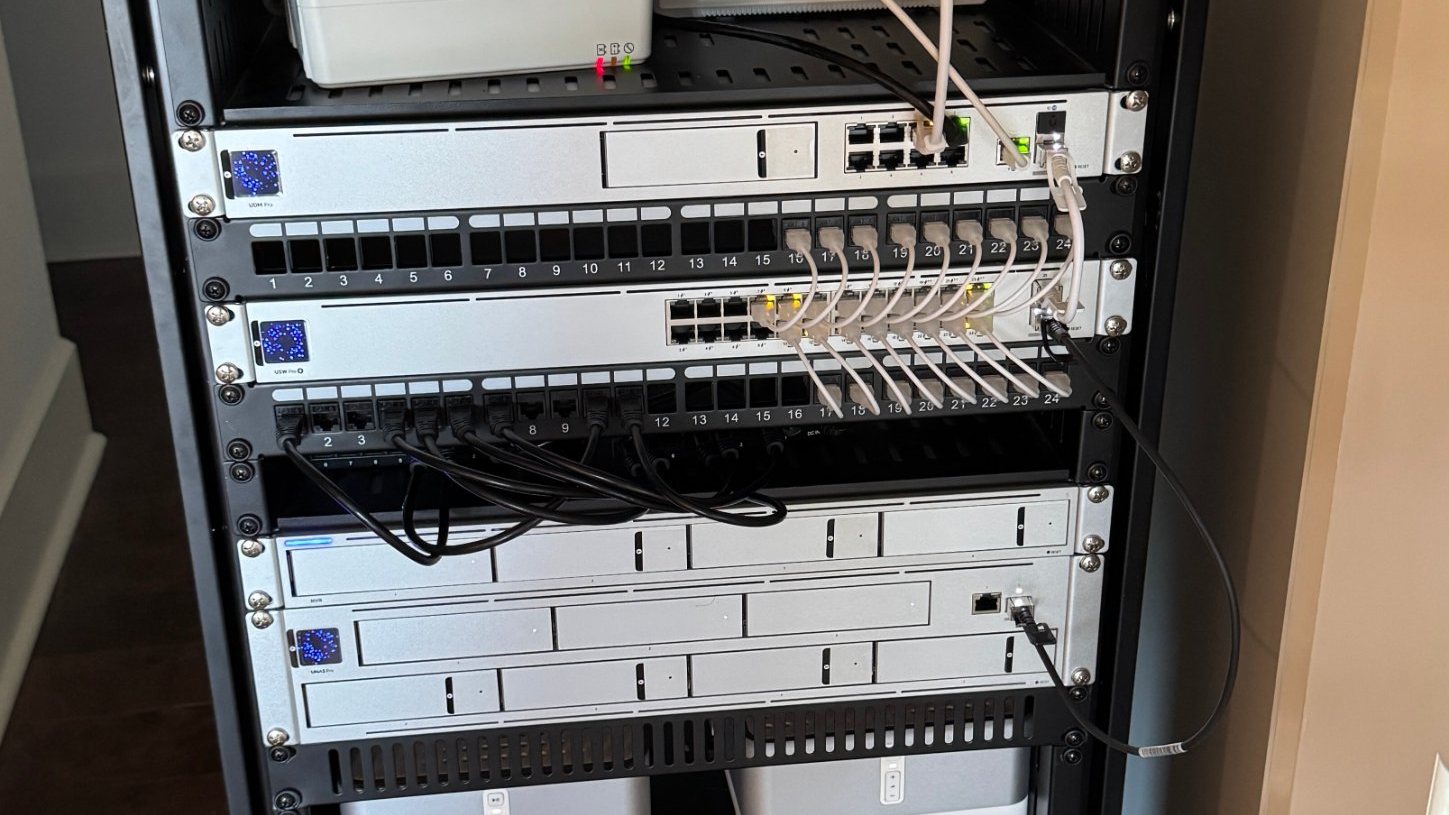
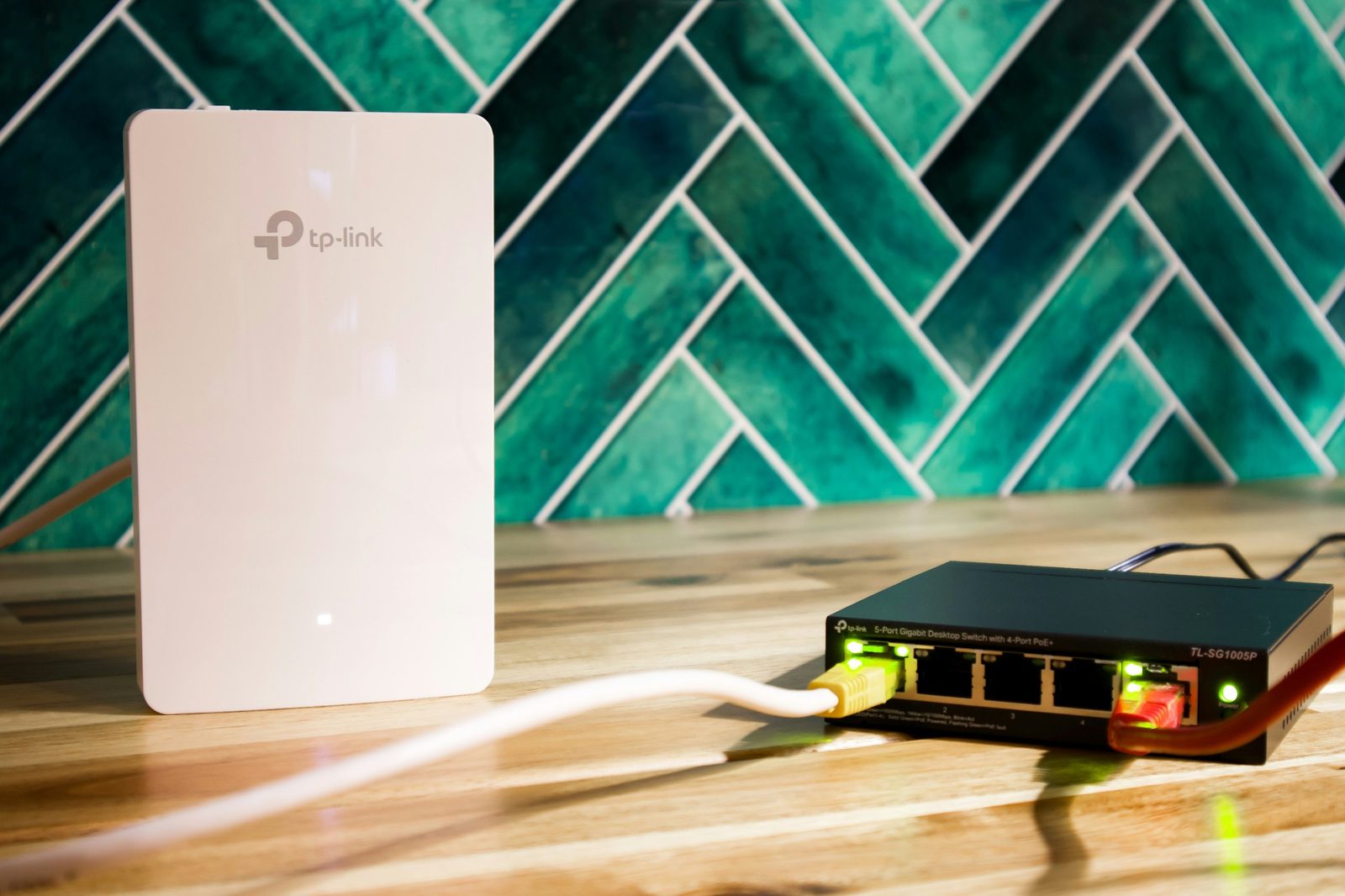
Hardwired access points connect to the network through Ethernet cabling.
This physical connection is called wired backhaul.
Importantly, some mesh Wi-Fi systems also support Ethernet backhaul, so mesh and wired networking are not mutually exclusive.
2. How Mesh Wi-Fi Works
A typical mesh Wi-Fi system includes a primary node and additional compatible nodes positioned throughout the home.
The nodes work together to provide wireless coverage.
When using wireless backhaul, nodes exchange data through wireless connections.
Advantages of Mesh Wi-Fi
- Flexible Installation: Mesh systems can often be installed without running additional network cables.
- Convenient Expansion: Compatible nodes can be added to improve coverage.
- Centralized Management: Many systems provide user-friendly management applications.
- Suitable for Existing Homes: Mesh can be practical when Ethernet installation is difficult or undesirable.
Limitations of Wireless Mesh
Wireless mesh performance depends on signal quality between nodes.
Distance, building materials, interference, and additional wireless hops can affect network capacity and latency.
A mesh node placed too far from the main network may provide a visible Wi-Fi signal without delivering strong performance.
3. How Hardwired Access Points Work
Hardwired wireless access points connect directly to the network through Ethernet.
Each access point provides wireless coverage in its assigned area while using a wired connection to communicate with the router or network switch.
Advantages of Hardwired Access Points
- Reliable Backhaul: Ethernet reduces dependence on wireless conditions between access points.
- More Predictable Performance: A properly installed wired connection provides consistent network connectivity.
- Reduced Wireless Airtime Usage: Wired backhaul avoids consuming wireless airtime for communication between access points.
- Excellent Scalability: Additional access points can be added as network requirements grow.
- Professional Management: Many systems support centralized configuration, wireless network segmentation, and performance monitoring.
Limitations of Hardwired Access Points
The primary challenge is installation.
Ethernet cables must be routed to each access point location.
In finished homes, installation complexity depends on construction and available pathways.
4. Which Provides Better Wi-Fi Speeds?
Hardwired access points often provide more consistent performance because they don't rely on wireless backhaul.
However, actual Wi-Fi speeds depend on more than the backhaul connection.
Important factors include:
- Internet service speed
- Wi-Fi equipment capabilities
- Wireless interference
- Access point placement
- Connected device capabilities
- Network configuration
- Number of active devices
A poorly positioned hardwired access point may perform worse than a properly positioned mesh node.
Professional network design matters regardless of the technology selected.
5. Which Is Better for Large Homes?
Larger homes often benefit from multiple wireless access points.
Hardwired access points are frequently preferred because they can provide reliable backhaul across multiple floors and distant rooms.
Mesh Wi-Fi can also work in larger homes, but node placement and wireless backhaul quality become increasingly important.
For large Denver properties with multiple floors, finished basements, and outdoor entertainment areas, a professionally planned network is especially valuable.
6. Which Is Better for Existing Homes?
Existing homes present different installation challenges.
If Ethernet cabling is already available, hardwired access points or mesh nodes with Ethernet backhaul are often excellent choices.
If new cabling would be difficult or expensive, wireless mesh may be a practical alternative.
Some homes benefit from hybrid designs that combine Ethernet-connected access points with additional wireless coverage devices.
The right solution depends on the property.
7. What Is Ethernet Backhaul?
Backhaul is the connection between a wireless access point or mesh node and the main network.
Wireless Backhaul
Wireless signals carry data between network nodes.
Performance depends on wireless conditions.
Ethernet Backhaul
Network cables carry data between access points or nodes and the main network.
Ethernet backhaul can improve consistency and reduce wireless airtime usage.
This distinction is often more important than whether a product is marketed as mesh Wi-Fi.
8. Which Is Better for Smart Homes?
Smart homes may include numerous connected devices:
- Security cameras
- Video doorbells
- Smart TVs
- Streaming devices
- Wireless speakers
- Thermostats
- Lighting controls
- Automation controllers
- Home office equipment
Both mesh Wi-Fi and hardwired access points can support these devices.
However, homes with demanding connectivity requirements often benefit from professionally designed wired infrastructure.
Stationary devices can also be connected through Ethernet where supported, reducing wireless congestion.
9. Is Mesh Wi-Fi Cheaper Than Hardwired Access Points?
Mesh Wi-Fi may have a lower initial installation cost because new Ethernet wiring is not always required.
Hardwired access point installations may involve additional expenses for:
- Cat6 or Cat6A cabling
- Network switches
- PoE equipment
- Cable routing
- Installation labor
- Network configuration and testing
However, the total cost depends on equipment quality, home construction, and project scope.
The least expensive initial solution is not always the most suitable long-term option.
10. When Should You Choose Mesh Wi-Fi?
Mesh Wi-Fi may be appropriate when:
- Installing new Ethernet is impractical
- Your home has moderate wireless requirements
- You need flexible node placement
- You want to improve coverage without extensive installation work
- A professional assessment confirms suitable wireless backhaul conditions
11. When Should You Choose Hardwired Access Points?
Hardwired access points may be preferable when:
- Your home already has Ethernet cabling
- You're building or remodeling
- Your property has multiple floors
- You need dependable home office connectivity
- You have numerous connected devices
- You want a network designed for future expansion
12. Frequently Asked Questions
Can Mesh Wi-Fi Be Hardwired?
Yes. Some mesh systems support Ethernet backhaul.
Are Hardwired Access Points Always Faster?
Not necessarily. They offer advantages in backhaul consistency, but wireless performance still depends on equipment, placement, and environmental conditions.
Can Multiple Access Points Use the Same Wi-Fi Name?
Yes. Properly configured access points can broadcast the same SSID. Client devices and network configuration influence roaming behavior.
Will Mesh Wi-Fi Eliminate Every Dead Zone?
Not automatically. Proper node placement and suitable wireless conditions are essential.
Is Professional Installation Worth It?
Professional design can help identify coverage problems, select appropriate equipment, and configure the network for reliable performance.
13. Professional Wi-Fi Design and Installation in Denver
The best whole-home Wi-Fi system isn't necessarily the most expensive router or the newest mesh product.
It's the system designed around your home's layout, construction, devices, and performance requirements.
At Wired Up Solutions, we specialize in:
- Mesh Wi-Fi installation
- Hardwired wireless access points
- Cat6 and Cat6A Ethernet wiring
- Whole-home Wi-Fi design
- Network troubleshooting
- Smart home network integration
- Secure wireless configuration
We serve homeowners throughout Denver, Cherry Creek, Lakewood, Golden, Arvada, Littleton, and surrounding Colorado communities.
Wired Up Solutions – Smart, Made Simple.